


The rebirth of nuclear energy
- 23 Jan, 2025
On the sidelines of COP28 ( the 28th Conference of the Parties to the United Nations Framework Convention on Climate Change) in Dubai, more than 20 countries announced a historic milestone by pledging to triple their nuclear power capacity by 2050. The event highlighted the emergence of nuclear energy as an essential tool in reducing greenhouse gas emissions.
In today's article, we will talk about the types of reactors available, the future of this energy industry, and the type of maintenance required for nuclear power plants.
I. Types of nuclear reactors
II. Forecasting the future of nuclear energy: Innovation and sustainability
III. Strict regulations on nuclear power plant maintenance
I. Types of nuclear reactors
- Light Water Reactors (LWRs) : LWRs, such as PWRs and BWRs, are the most widely used. They operate efficiently and have a high degree of safety. Pressurized Water Reactors (PWRs) use water as a coolant and moderator, while Boiling Water Reactors (BWRs) allow water to boil directly in the core, creating steam to generate electricity. The simplicity and proven efficiency of these reactors make them the mainstay of today’s nuclear power generation.
- High Temperature Reactor (HTR) : A high temperature reactor (HTR) is a graphite gas reactor, cooled by an inert gas, usually helium. The main material is a highly enriched ceramic without a metal cladding.
- Molten Salt Reactors (MSR): Molten salt reactors (MSR) use fluorine-based liquid fuels, offering greater flexibility in design and operation. These reactors promise increased safety and efficiency.
- Fast Reactors: Fast reactors use fast neutrons to fission fuel, allowing for more efficient energy production and the ability to use more abundant nuclear fuel. There are several projects underway to develop this type of reactor.
Recent landmark projects such as Hinkley Point C in the UK and Barakah in the UAE highlight the nuclear renaissance.
These plants, equipped with advanced technology, demonstrate that the expansion of nuclear power can be safe and efficient.

II. Forecasting the future of nuclear energy: Innovation and sustainability
Future projections for nuclear energy focus on innovation and sustainability:
Generation IV reactor
The next generation of reactors, known as Generation IV, promises significant advances in safety, efficiency and waste minimization. Reactors such as the Lead-Cooled Fast Reactor (LFR) and the Gas-Cooled Fast Reactor (GFR) are examples of emerging technologies that could have transformative effects on the nuclear industry.
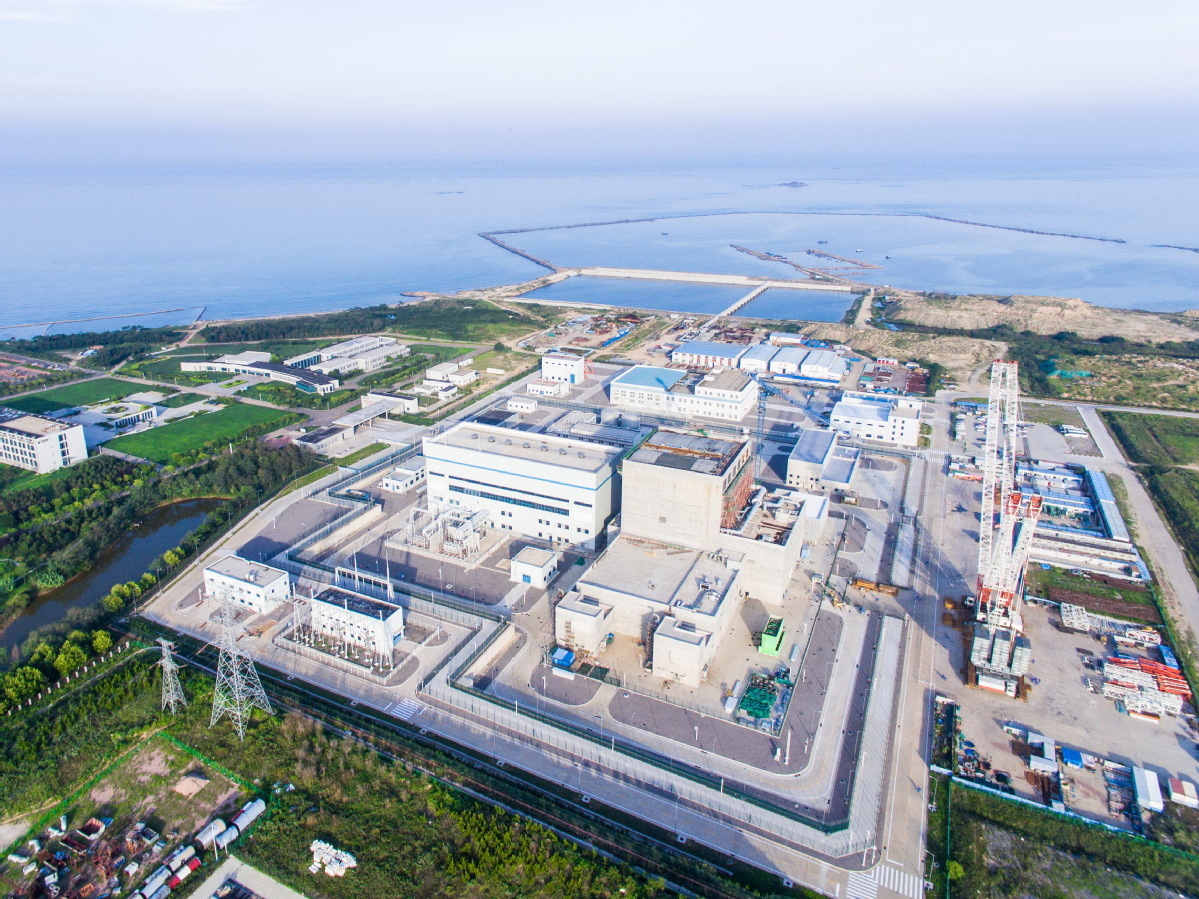
In early 2024, the Shidao Bay-1 nuclear power plant will begin commercial operations, becoming the world's first Generation IV power plant, according to China's National Energy Administration.
Integration with Renewable Energy
Integrating nuclear energy with renewable sources, such as solar and wind, can provide a comprehensive solution to ensure a continuous and sustainable energy supply.
Development of small modular reactors (SMRs)
The Small Modular Reactor (SMR) is a promising alternative to facilitate the introduction of nuclear power into areas with more limited energy needs. Its modular size allows for phased and more cost-effective deployment.
III. Strict regulations on nuclear power plant maintenance
Nuclear power plant maintenance is a complex process that requires a meticulous and rigorous approach to ensure safety and efficiency over time.
- Regular inspection: Regular inspection is the basic rule of maintenance. Through advanced technologies, such as ultrasonic testing and computerized tomography, the structural integrity of key components is assessed, determining the possibility of wear, cracking or deformation.
- Technology updates: The deployment of advanced digital control systems, artificial intelligence and modern sensors not only improves operational safety but also contributes to more efficient energy management along with early detection of abnormalities.
- Waste Management: Continuous research focuses on finding innovative waste management methods, such as reusing by-products and developing long-term storage technologies.
- Continuous Training: Training programs range from emergency drills to instruction on new technology and operating procedures. This approach ensures that employees are prepared to handle any situation effectively and safely, minimizing risk and optimizing response to unexpected events.
- Aging Assessment: Aging assessment involves the continuous monitoring of equipment and structures, identifying and addressing potential problems related to material degradation over time. This is done through techniques such as non-destructive assessment and corrosion monitoring.
The resurgence of nuclear energy has overcome technological and geopolitical barriers, cementing itself as an essential component in the fight against climate change. With a focus on reactor diversification, innovation, rigorous maintenance procedures and the use of specialized hand tools.


